
anxiety therapy for men
when did holding it together become your whole life?
living at 110% all the time isn’t strength. it’s survival mode.
it’s time for something different.
When anxiety runs the show
You might look “high-functioning” from the outside, but inside it’s a different story.
Maybe you live with:
A constant hum of dread or unease in the background
Racing thoughts that won’t go away, especially at night
Tight chest, shallow breathing, jaw tension, stomach knots
Feeling on edge in relationships, scanning for rejection or conflict
A harsh inner critic telling you you’re failing, not enough, or about to screw it all up
You’ve probably tried to talk yourself out of it, meditate it away, white-knuckle your way through it, or distract yourself just enough to get by.
But if your nervous system, attachment patterns, and emotional life aren’t being worked with directly, the anxiety usually finds its way back.
It’s Not Just Overthinking. It’s Your Nervous System on High Alert.
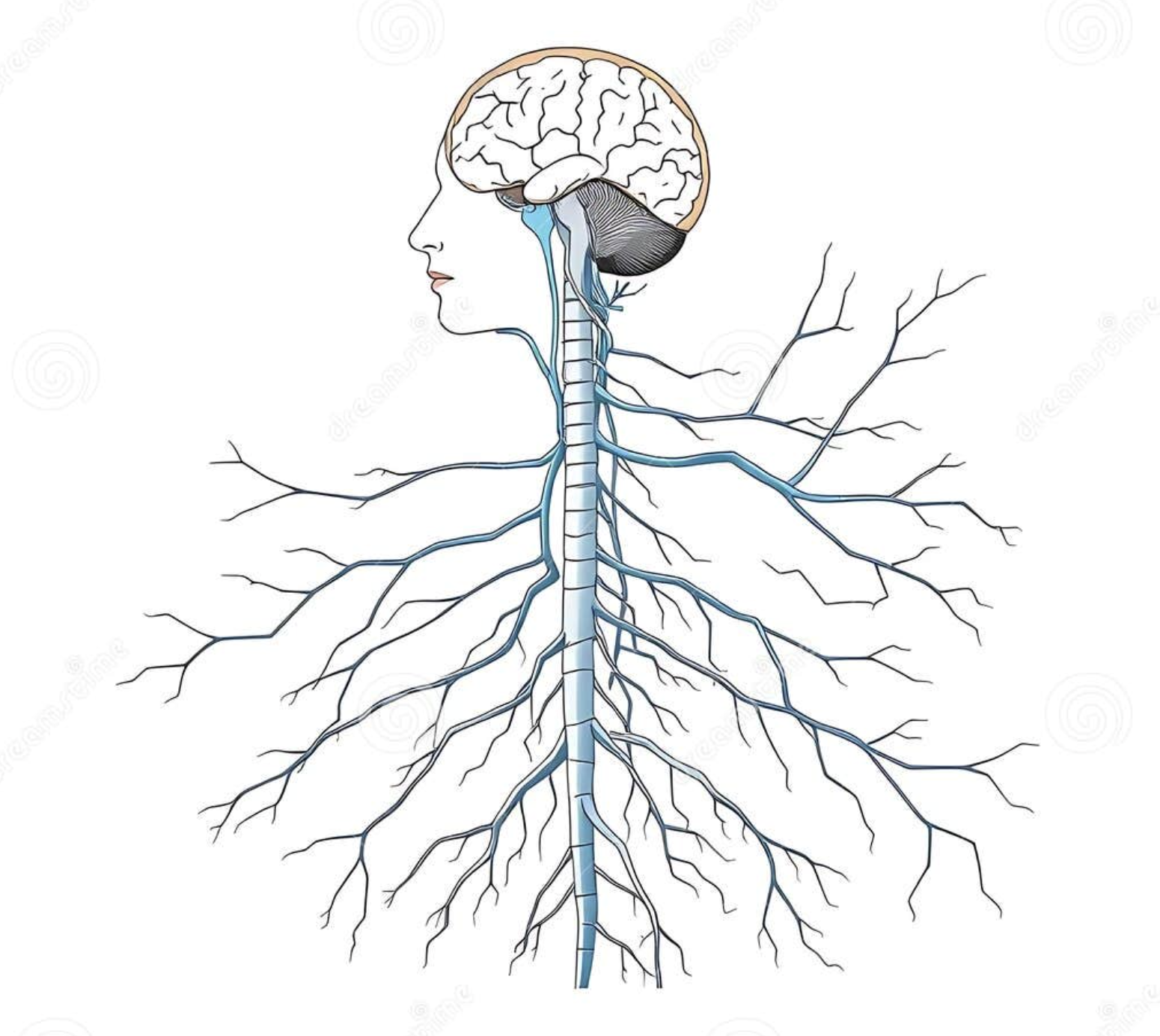
Anxiety is often what it feels like when your nervous system is stuck in chronic hyper-arousal—with no off switch.
In our work together, we’ll bring in a nervous system lens:
Understanding your window of tolerance—the zone where you feel grounded, present, and able to choose how you respond
Noticing when you’re in fight, flight, or freeze, and learning how to come back to center
Working with the vagus nerve and your social engagement system—using breath, posture, eye contact, and voice to send “I’m safe” signals to your body
Practicing self-regulation (breath, movement, vocalization, grounding) and co-regulation (letting other humans help your nervous system settle)
When your body learns that it doesn’t have to live in emergency mode, your mind doesn’t have to work so hard to control everything.
The Many Faces of Anxiety
Not all anxiety is the same.
Some of it is attachment-based:
Old fears of abandonment or rejection getting activated
An inner child who learned, “If I’m not perfect, I’ll lose love”
A nervous system that never had enough consistent soothing, now scanning constantly for signs of disconnection
Some of it is existential:
A part of you whispering, “Something is off in my life, and I’m not listening.”
Anxiety about your purpose, work, relationships, or the state of the world
A sense of “there’s a fire in my house” – I’m avoiding a necessary change or difficult truth
And often, those overlap.
In therapy, we’ll use a parts work + attachment approach:
Inner child work and self-parenting to give the younger parts of you the safety, warmth, and protection they never had
Setting boundaries with the inner judge—the part that keeps you anxious about being judged, rejected, or not good enough
Listening to anxiety as a part:
Does this part need soothing, reassurance, and contact?
Or is it trying to wake you up to something real that needs to change?
Learning to distinguish attachment anxiety from existential anxiety helps you respond more accurately—so you’re not trying to push away something that actually needs a boundary, a change, or a real conversation.
I also see a lot of anxiety that comes from not enough connection and belonging—especially for men. Sometimes the “symptom” of anxiety is pointing straight at a deeply unmet need for being truly seen, challenged, and supported by others. We are wired to feel we are part of a tribe.

Emotional Hygiene: Anger, Grief, and the Feelings Under Your Anxiety
Anxiety is often an inhibitory emotion—like a layer of static that sits on top of the deeper, primary emotions your system hasn’t felt safe enough to fully experience.
Underneath chronic anxiety, we often find:
Anger and aggression that never learned a healthy outlet
Grief and loss that never got to be fully mourned
Old fear from past emotional threats that your body is still bracing against
We’ll work on emotional hygiene:
Learning how healthy anger and assertiveness can “turn off” the fear alarm by setting boundaries, speaking truth, and claiming your space
Doing trauma work where needed so your body stops reacting as if old emotional threats are still happening
Differentiating real grief (which melts anxiety as it moves through) from collapsed, stuck sadness
Naming and working through old resentments that quietly fuel anxiety in the background
When your anger, grief, and sadness are allowed to move in grounded ways, your nervous system doesn’t have to use anxiety as a constant “warning siren.”
Anxiety Lives in the Body. So We Work With the Body.
Anxiety isn’t just a thought pattern—it’s also sensations, tension, and energy stuck in your body.
In our work, we’ll bring in somatic tools (influenced by Core Energetics and other body-based approaches):
Tracking where anxiety shows up in your body—chest, gut, throat, jaw, limbs
Using grounding practices to help you feel your feet under you and your body in space
Working with breath and movement to discharge some of the stuck activation
Using vocalization—(sound, tone, structured phrases) to help regulate your nervous system and reclaim your voice
Allowing primary emotions to move through the body in a safe, titrated way instead of getting trapped as chronic tension and holding
The goal isn’t to be “calm all the time.” It’s to feel more free, spacious, and comfortable in your own skin.


My Approach to Working With Anxiety
My work weaves together nervous system science, attachment repair, emotional hygiene, and a body-based focus. Here’s what that looks like in practice:
Regulate the Nervous System
We build practical tools to widen your window of tolerance, calm chronic hyper-arousal, and bring your body out of constant emergency mode—using breath, movement, grounding, and co-regulation.
Repair Attachment and Work With Parts
We develop self-parenting skills so you can soothe younger parts of you, set boundaries with the harsh inner judge, and stop living in constant anticipation of judgment or abandonment.
Learn Emotional Hygiene
We work directly with anger, grief, fear, and sadness so they don’t have to leak out as anxiety. We learn to recognize anxiety as an inhibitory emotion, preventing us from moving through our deeper core emotions underneath.
Move the Energy Somatically
We work with your body—posture, breath, sound, and movement—to help tension and activation actually move, instead of just cycling in your head.
Listen to What Your Anxiety Is Trying to Say
Together, we investigate the hidden meanings of your anxiety. There are many different flavors of anxiety that come for different reasons. Sometimes it’s an attachment wound needing comfort and soothing; sometimes it’s related to our life stage, pointing to necessary decisions you may be avoiding; for some, anxiety can be more existential, relating to collective grief and the state of the world. We don’t try to make it go away: we listen to its guidance.
01
02
03
04
05
This Work is Right for You If…
You’re tired of managing anxiety with coping skills alone, and want to get to the roots
You’re curious about nervous system work, attachment, and somatics—not just talk therapy
You sense that your anxiety is trying to tell you something, but you don’t know how to decode it
You want a space where anger, grief, and big emotions are welcome, not pathologized
You’re open to being challenged in a grounded, compassionate way
You’re ready for your relationship to yourself, your body, and your life to actually change
frequently asked questions
-
No. We can absolutely include practical tools for managing anxiety day-to-day, but the work goes deeper than that. We’ll look at your nervous system patterns, attachment history, emotional blocks, and body—so that your anxiety has less reason to keep sounding the alarm.
-
Both. We’ll pay close attention to what happens in the moment—in your body, in your emotions, and in our relationship—while also making space for past experiences that still live in your nervous system. We go as deep as feels safe and workable for you, at a pace we agree on together.
-
Yes. Some anxiety comes from very real collective grief and trauma—it’s not just a “you problem.” We’ll make room for those larger realities while still helping you find how you want to live, love, and act in your own life.
-
While much of my work focuses on men’s healing and men’s groups, I also work with people of other genders who resonate with my approach. If you’re drawn to this way of working with anxiety—through nervous system regulation, emotional honesty, and embodied work—we can explore together whether it’s a good fit.
you don’t have to live constantly on edge.
Anxiety isn’t a personal failing. It’s your nervous system, your history, and your emotions doing the best they can with what they’ve been given.
If you’re ready to relate to your anxiety differently—not as an enemy, but as a signal you can understand, soothe, and respond to—let’s get to work.